
Environmental responsibility · 6 min read
Industrial equipment reuse and WEEE: what responsible resale involves
How reuse may extend an asset's life, when electrical equipment can become waste, and why carbon claims need evidence.
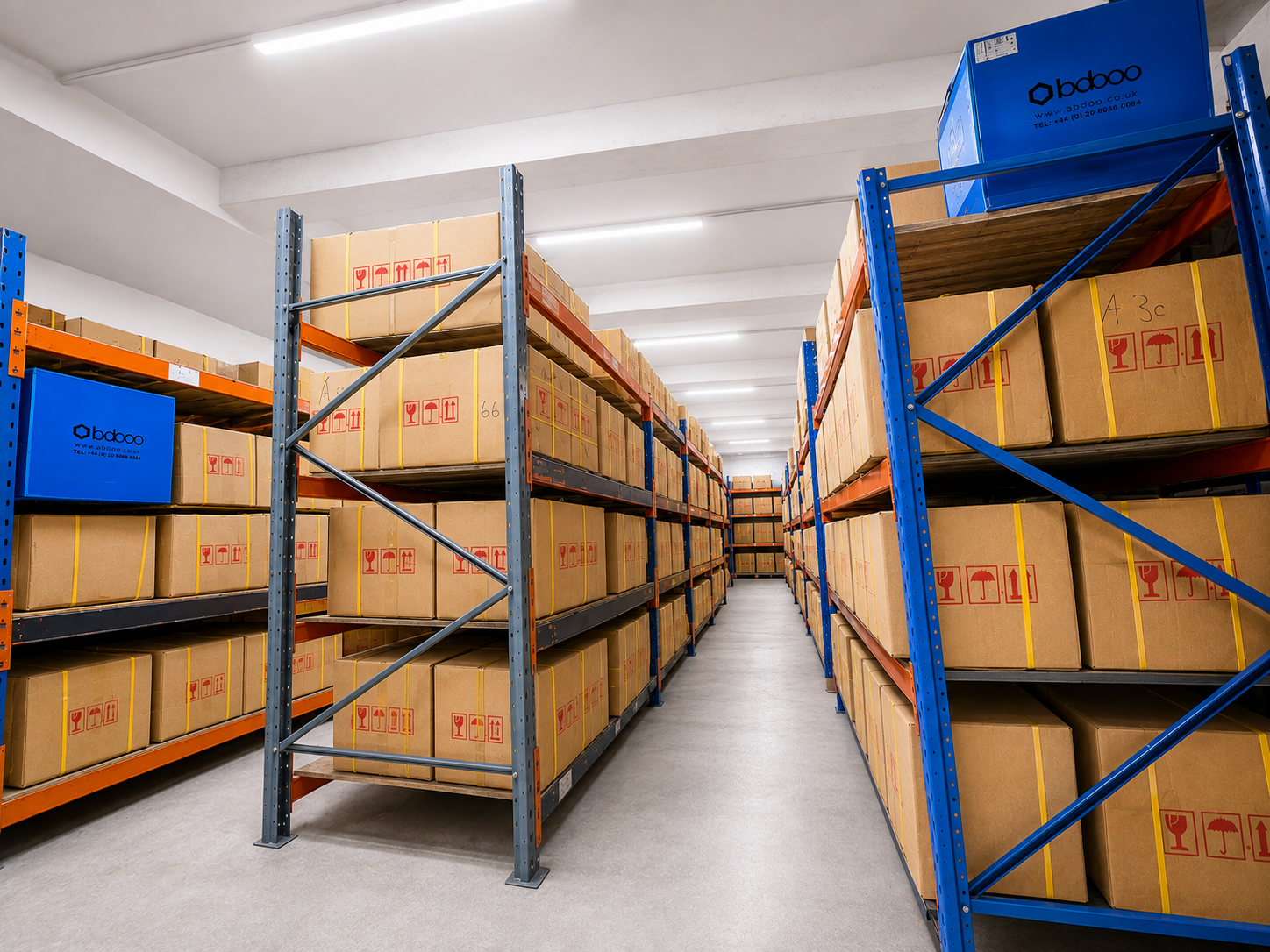
A suitable second-hand control module, power supply or instrument can stay in productive use instead of being discarded prematurely. However, resale does not automatically establish that every item avoids waste or produces a measurable carbon saving.
Productive reuse requires a real use case
Identifiable, serviceable equipment can support maintenance of existing plant and offer buyers an alternative to an immediate new purchase. Buyers still need to confirm condition, lawful use, safe installation and compatibility. Whether a transaction actually displaces manufacture of another unit is not known from a sales listing alone.
Understand when surplus becomes waste
England's Environment Agency distinguishes electrical and electronic equipment legitimately intended for reuse from waste electrical and electronic equipment (WEEE). Classification depends on intent to discard, condition, ability to reuse lawfully and how equipment is handled. Describing an unsuitable or discarded item as intended for reuse does not remove waste duties. Waste items may require correct classification, specialist treatment, transfer documents or restrictions on export.
Avoid unsupported environmental numbers
Claims such as a specific number of kilograms of carbon saved by an equipment sale require verifiable lifecycle assumptions about the alternative purchase, transport, repair, actual use and disposal. Combay should not publish an unverified environmental benefit. The defensible proposition is that buying or selling suitable surplus equipment provides a route for continued use, where appropriate.
Separate saleable assets from regulated waste
A business disposing of electrical goods must consider the relevant WEEE classification, hazardous materials and lawful treatment route. A stock appraisal does not mean every item is saleable or that Combay operates as an authorised waste treatment facility.
Official guidance
Environment Agency: when electrical equipment becomes WEEE
This guide provides general information, not an OEM compatibility certificate, engineering sign-off, waste classification or site-specific safety approval. Check the individual manufacturer's documentation and obtain qualified advice where necessary.